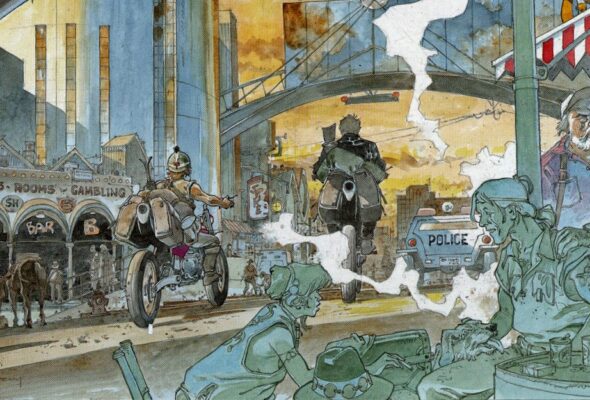
Kordej: Only jerks make AI comics!
It is impossible not to recommend Kordej’s Draw!, an absolute piece of history and art, for long browsing and even longer admiration, wonder, and top-notch entertainment.
“Draw!” is the kind of a huge book very few people deserve, but let’s say Igor Kordej is doubtlessly one of them, because he is one of the best comic-book artists in Europe, at the very least. And it is also the kind of massive volume that, apparently, only Fibra and
Marko Šunjić are capable of producing. Specifically: it measures 245 x 335 mm, runs to 480 pages with
909 numbered illustrations, many of which contain
multiple images, so there are actually far more
than that; it weighs 3.2 kilograms, and reading it in bed is risky. A friend warned me not to fool
around with it, in case it fell on me and turned into my tombstone.
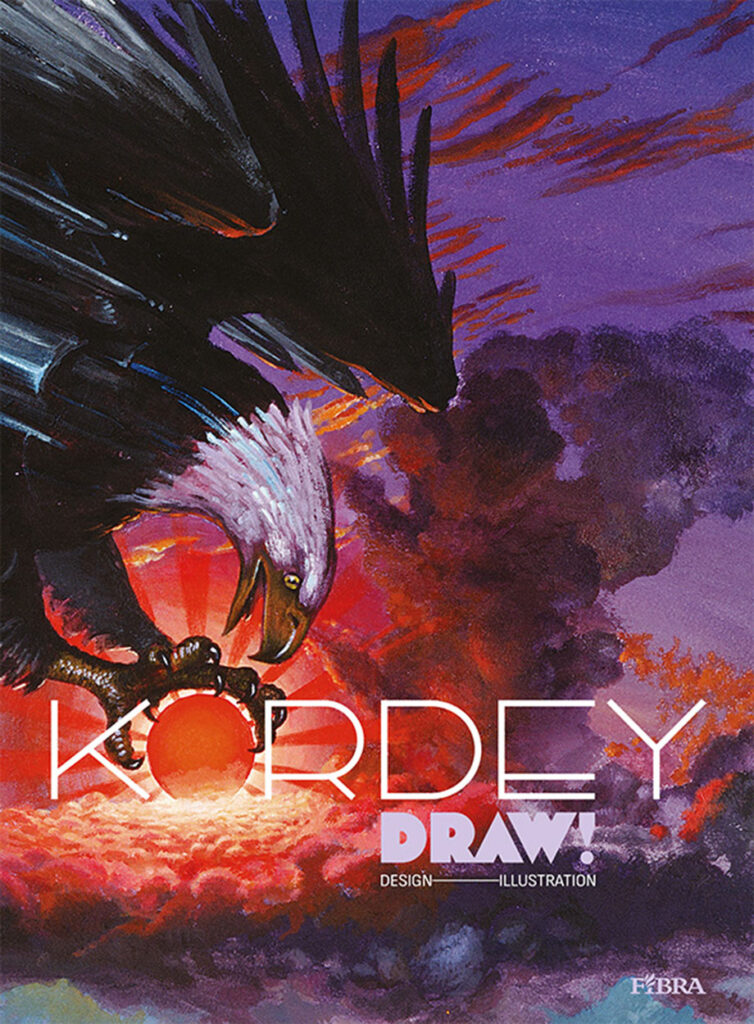
“Draw!” is a monograph that gathers Kordej’s work outside comics, that is, outside those hundred-odd comic albums and graphic novels, as the author himself calls them, and there are so many that they are not easy either to count or to classify. What has been collected here, then, is shorter-form work, which does not mean it lasts any less, only that it requires less labour than drawing page after page of comics. The material is divided into chapters: Early Works, Youth Press, Mainstream
Press, Illustrations for Comics in Periodicals, Book Illustrations, Album Covers, Posters and Advertisements, Logos, Set Design, Unpublished Works, and three appendices, one of which contains miscellaneous material and presents works that were not good enough for printing in higher resolutions, the second a 1994 calendar, and the third tarot cards. For each section the
author wrote a short text, so what we get is also a brief artistic autobiography.
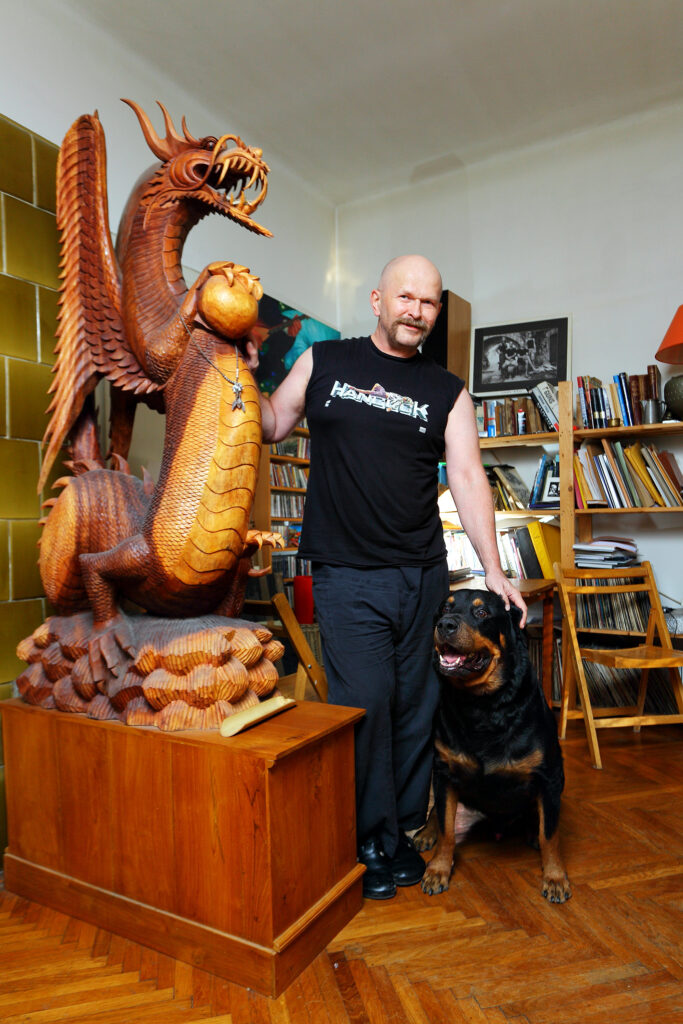
All that material, varied in dimensions, techniques, and categories, was masterfully handled by Melina Mikulić, a graphic designer whose name is mentioned far too rarely when Fibra is discussed
The monograph was published last year, to mark fifty years of Kordej’s work. Not without bitterness, Kordej notes in the introduction that he gathered all the material himself, that neither his home city nor art theorists and critics were of any help to him, so he simply bypassed them. And so, for the last five or six years, he collected his own work, borrowing it from owners, scanning it, and returning it, in order to create an archive once and for all.
The title is not in English by accident, nor is the author’s surname rendered as Kordey. Luckily his first name is not Srećko, or he might have translated that too into Felix. All the texts are translated into English and French because since 2013 Kordej has also held the title of Knight of the Order of Arts and Letters awarded by the Ministry of Culture of the French Republic. He said this about it in an interview with Vladimir Šagadin for Telegram: “The idea was for the book to be distributed beyond the region. It’s an opportunity for Fibra and editor Šunjić to start selling their own products on the foreign market instead of buying foreign licences for the rest of their lives.”
Maybe I am being tedious with all these technical details, but as an editor I know what a brutally huge job this is, how complicated it is to arrange all those indices and numberings, prepare the visual material, and organize it logically and clearly… Nothing but congratulations. I’d send everyone a postcard, if postcards were still in fashion.
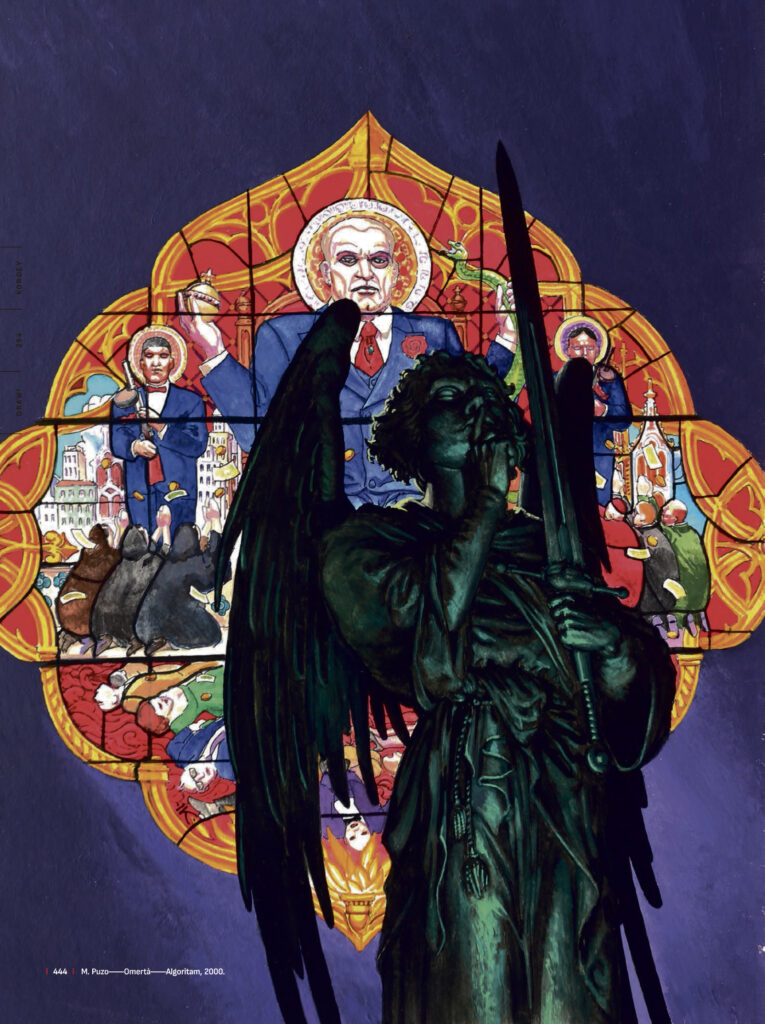
Since this book spans fifty years of work, it also encompasses the above-mentioned categories of applied art that have more or less disappeared, much like the aforementioned postcards. In a way that is not surprising, because Kordej is a graphic designer by training, and because his restless spirit and early commercial offers – he was the first full-time employed comics artist in Yugoslavia – did not allow him to graduate from the Academy of Fine Arts, Department of Graphic Arts, so it is somehow perfectly natural that he worked in newspaper illustration, posters, logos… This book is also a tribute to graphic forms that are rapidly becoming extinct. By the way, I am sure that posters by major artists like him would sell perfectly well, be framed, and hung on walls – so there’s a suggestion. This book is also a small history of techniques and technologies, from the 0.3 Rotring technical pen to digital assistance, a small history of graphic design and printing, of fashions and changes, and finally of the maturation and development of an artist, from a kid who morphs figures and crams the format full of illustration from edge to edge, to an artist who commands the languages of visual art exactly as purpose demands.
I asked him whether he uses AI, since he mentions in the book how much computerization and Photoshop helped him, or whether he might one day. “I don’t use AI, and I won’t. Unlike the jerks who use those programs, I actually know how to draw and paint. And I’m fast as lightning;). Btw – I still haven’t seen a successful comic done with AI. There’s a long way to go before those jerks figure out how to handle AI comics – you really need actual knowledge and experience for that…”
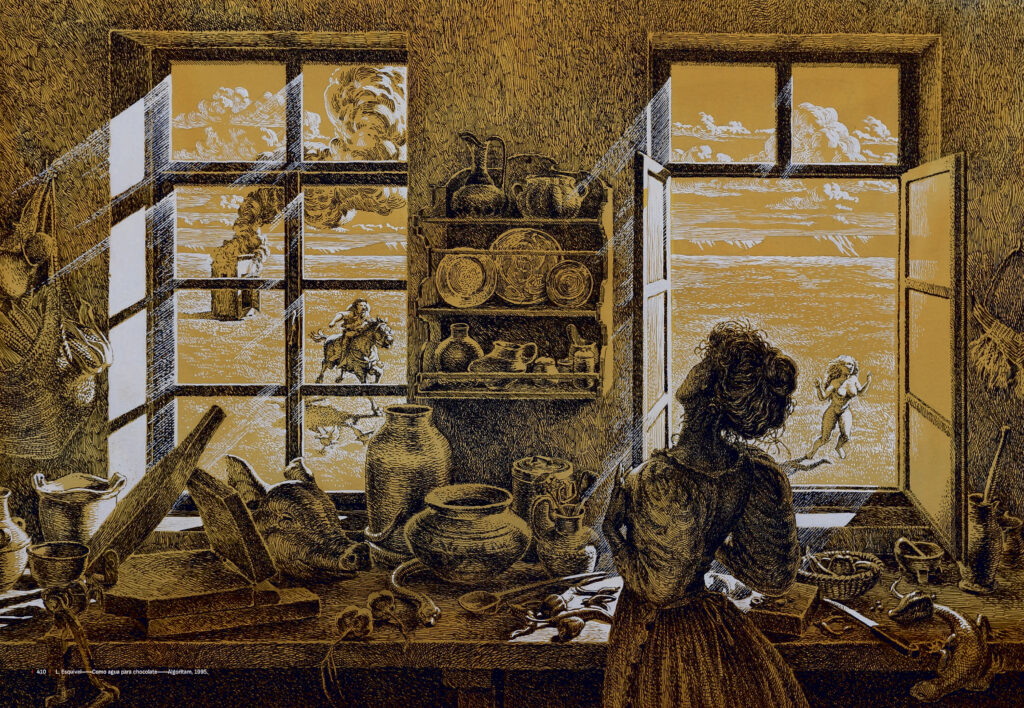
I noticed he had appeared on Instagram, maybe the old dog did decide to learn a new trick after all, so I asked him about that too. Kordej says: “Oh, I’m only doing that for promotion – “Texas Kid” will be coming out in the U.S. soon via Kickstarter. The campaign was a success, and advertising on Instagram and Facebook helped with that.”
After that leap into the present, we return to basics. Doing applied art means, first and foremost, satisfying the client – something Mirko Ilić, Kordej’s longtime and close collaborator, also likes to stress – which makes it all the more important that “Draw!” includes works that for various reasons were never published.
Because of all that, and because of this mass of work stretching over half a century and reflecting the
society around it – because, for example, when you see Kordej’s newspaper illustrations you know exactly what the texts they illustrated were about – those of us who are older and have followed him for a long time will also be washed over by nostalgia, with memories stirred of Polet, Novi kvadrat, Start, Studio, of books we read long ago, covers of new-wave records and their music…
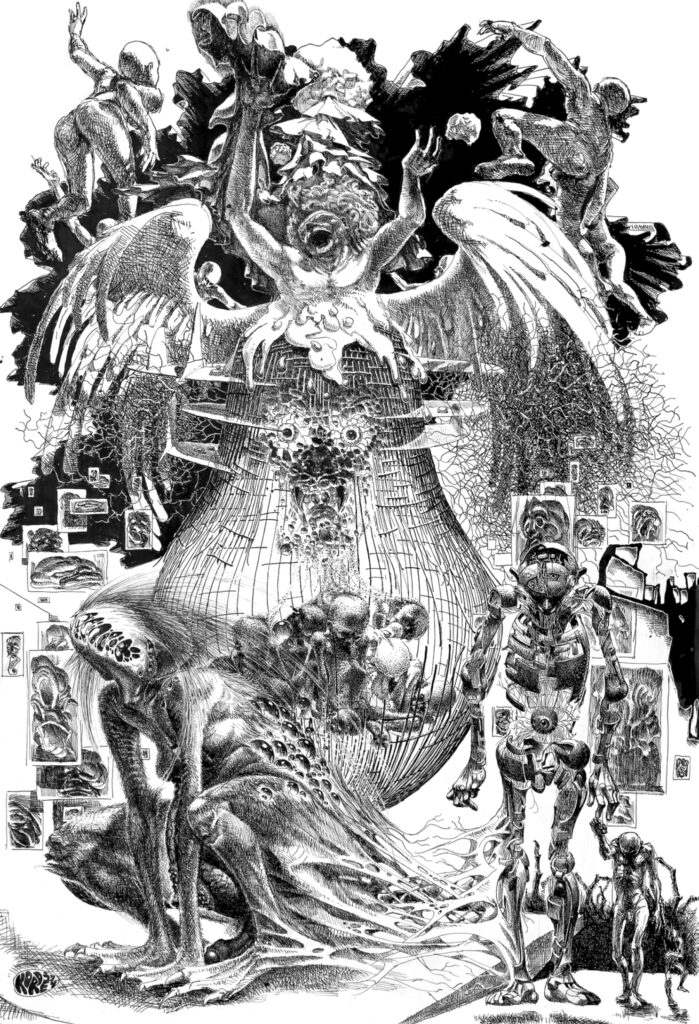
I even realized that I own the first two covers he ever made: the sleeve for Parni Valjak’s 1977 LP “Glavom kroz zid” and the journal “Pitanja” with its 1979 Novi kvadrat theme issue. Add to that the fact that I used to cut his comic “Vam” out of Stripoteka and bind it separately with Scotch tape – and, sadly, lose it – and forgive the personal tone, but Kordej meant a lot to generations. For a long time now I have been able to recognize his drawing at first glance, which only shows that this is real authorship, a dev
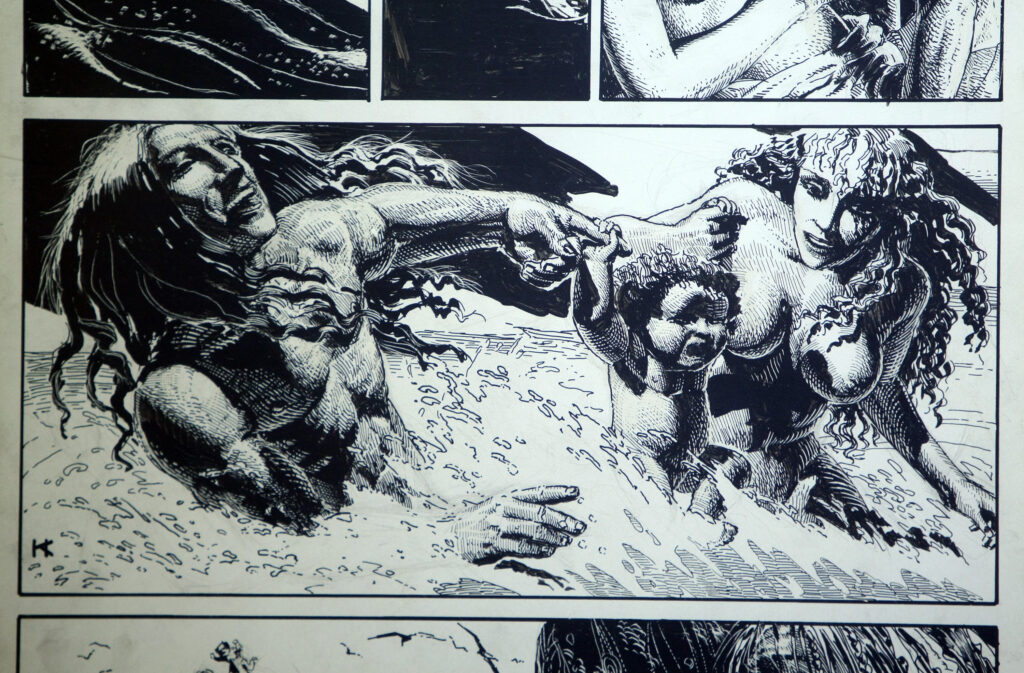
I do not know exactly what it is that I recognize: perhaps the strokes, his hatched shading, the softness of his line, or the realistic faces; perhaps details like anatomical cues, such as the often-emphasized bridge of the nose or those round, full breasts that defy gravity; then again, perhaps the often radical framing from unusual angles… Or perhaps simply the whole.
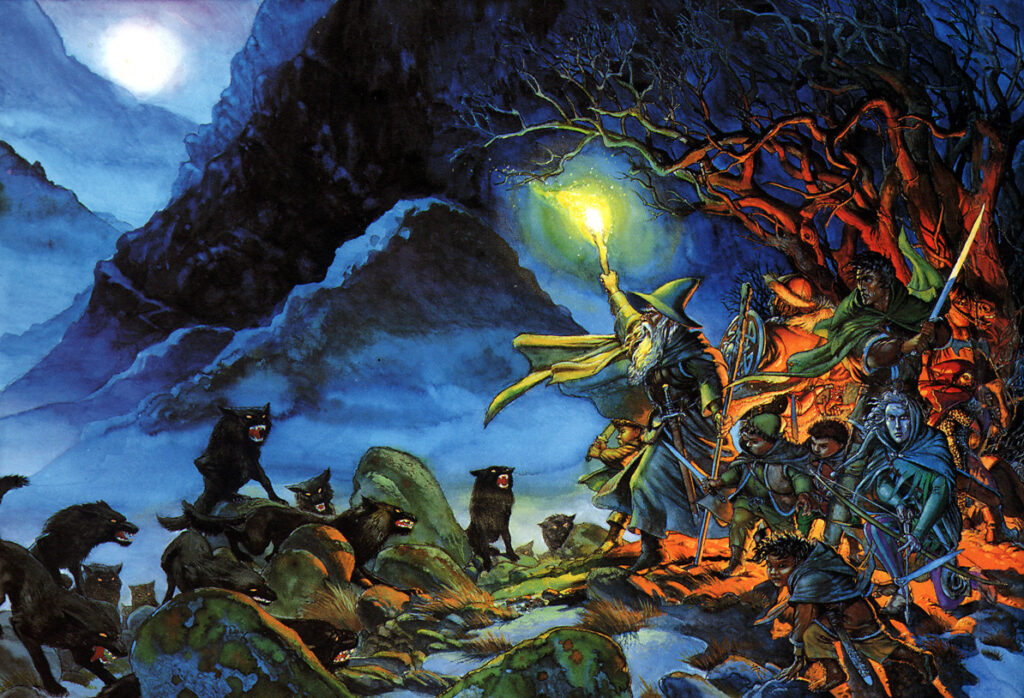
What might that body of work have been if, when war broke out here and everything darkened and died, Kordej had not gone abroad to earn a living, to Canada for ten years and then Denmark. But even that misfortune had its uses, because back then it was not possible to work nomadically by computer from anywhere where there happens to be internet. “Draw!” also includes covers he made for series such as “Cable”, “Soldier X”, “New X-Men”, “Star Wars”, “Tarzan”… Those covers were still largely unknown here.
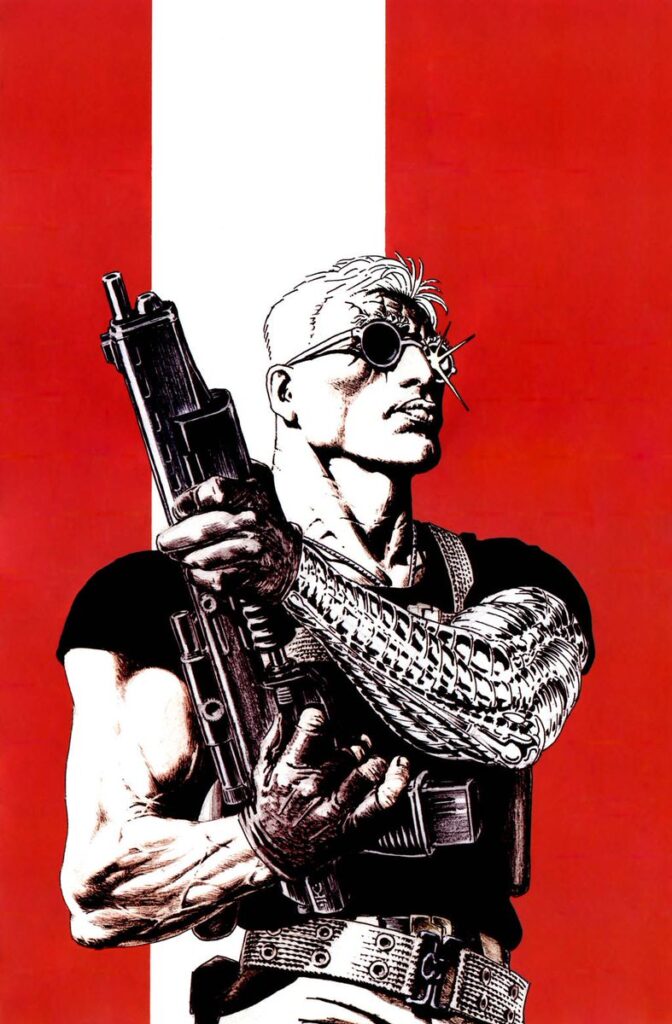
He began collaborating with local publishers back in the 1980s, starting with Mladost, and he did the greatest number of book covers for Algoritam, thanks to an old acquaintance with Neven Antičević. It is incredible that editions of “The Lord of the Rings” trilogy for which he drew the covers, as well as other Tolkien
books, sold in tens of thousands of copies, now fetch prices of over 100 euros apiece. Of course, only when it is the hardcover editions with his illustrations.
At present – in fact for some twenty years now – Kordej has worked as a house artist for the French publisher Delcourt, mostly on comics of alternative history, though he also reaches into fantasy and dystopia. I assume he would not mind at all drawing another newspaper illustration now and then, or designing a logo, returning to those forms and in doing so bringing back into focus the formats that are disappearing.
Writing about books like this, monumental ones – this one could quite literally serve as a foundation stone – is actually a thankless task, because from such a mass of work there is no point in pulling out individual pieces for analysis, while it is impossible to encompass the whole
And it is equally impossible not to recommend this piece of history and art, for long leafing through and for even longer admiration and wonder.