We encounter peer violence every day
In a conversation about her novel 'Just One of Them', Petra Prtajin reveals how words, silence, and social media shape the lives of Generation Z
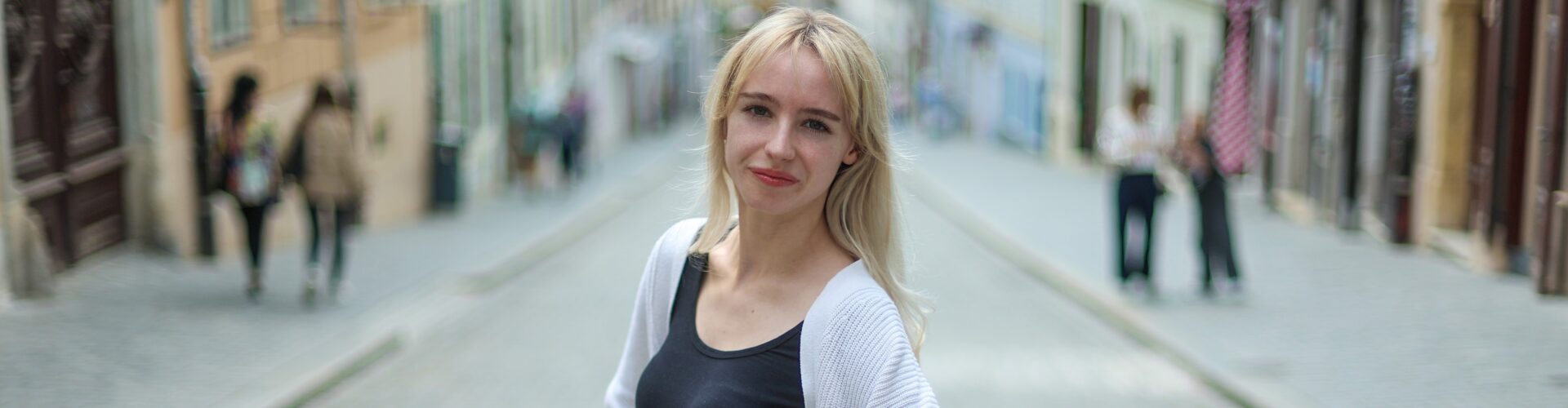
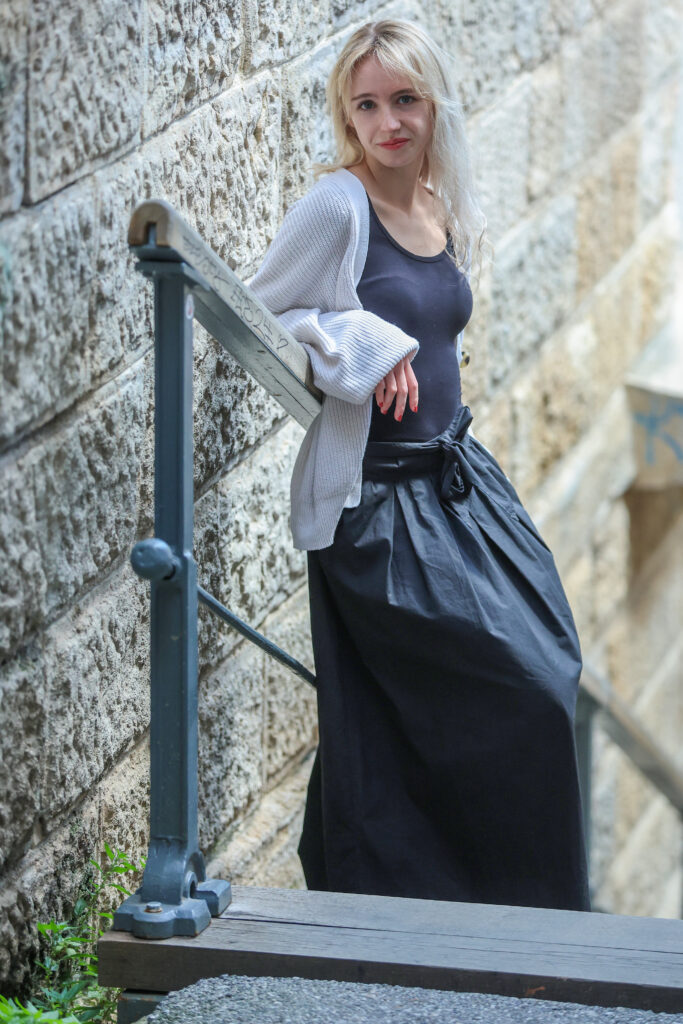
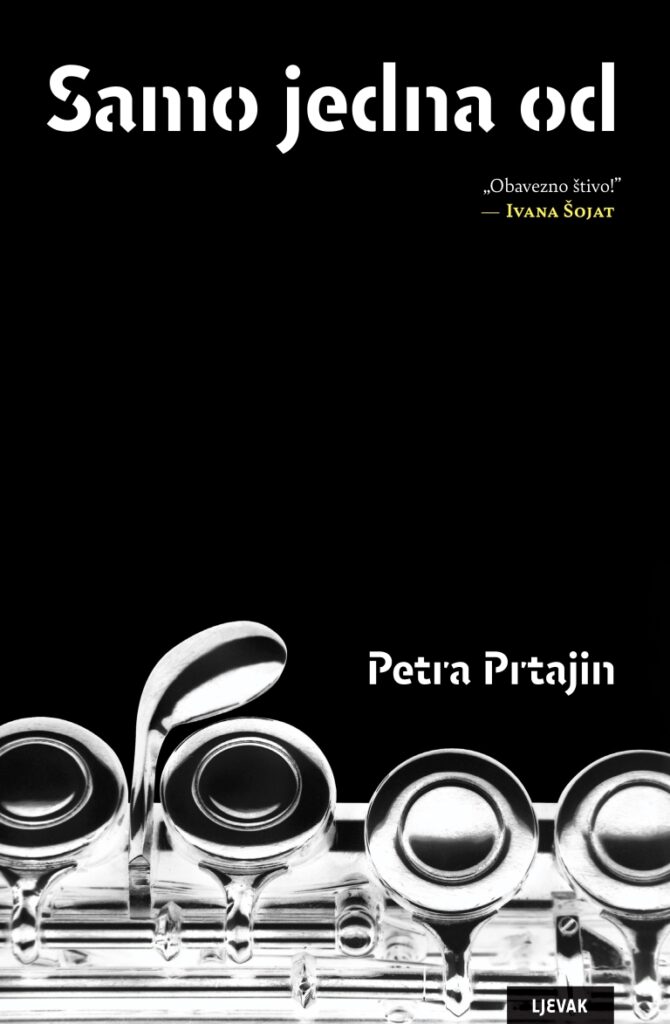
Petra Prtajin, a student at the Zagreb School of Medicine, published her first novel in 2025, titled “Just one of them” (“Samo jedna od”). It is a novel about peer violence, isolation, and the other challenges faced today by members of Generation Z, that is, the generation that has grown up in a world of social media and numerous distorted values, and in which the need to belong is more pronounced than ever. Regarding her debut novel, we spoke with Petra about how the novel came into being, how studying medicine has influenced her writing, and how young people today can deal with loneliness, violence, and the many dangers lurking not only in the real world but in the digital one as well.
BestBook: Your novel ‘Just one of them’ is about Gen Z, those who have grown up alongside major technological advances, which of course also bring many challenges. Where did the idea for such a novel come from, and what in spired you?
Older generations experienced peer violence, my generation experiences it, and younger generations do too. With this novel, I wanted to warn people about the dangers it carries. Even in elementary school I wanted to write a novel, but back then I did not have enough knowledge to shape a quality story. In collaboration with Kristian Novak, I realized that the best way to begin was to write about a topic close to me, about the place I know best – Zagreb, high school, interpersonal relationships.
BestBook: Can you tell us something about the writing process itself? Since this is your first novel, how does one even begin? Do you have any advice for people your age who are trying to do the same?
At the beginning, I did not know how to structure a novel, how to create a connection between the main character and the reader, and I did not have enough knowledge about the plot I was describing. These were all beginner’s mistakes, but also key ingredients of a good novel. Through the process of writing this book, I learned that everything matters – meaning, style, rhythm, message. Every word is important, exactly in that place, in that sentence. One of the most useful pieces of advice Kristian gave me was that every sentence in a novel must serve a function, it must move the story one step further. If a sentence is useless, it should be removed. If the main character is the same at the end of a scene as at the beginning, then that scene should be removed too.
BestBook: You have emphasized several times that your novel is not autobiographical, though it is still personal. To what extent is your own experience present in it, and to what extent is it imagination?
This novel is not autobiographical; it is a story in which the characters face different forms of violence. Some of their experiences intertwine, while others remain forgotten. In that way, I tried to draw a parallel with the reality in which we live. I have had contact with peer violence, not only through my own experiences, but also through the experiences of my friends, acquaintances, and older people. I think it is something we encounter every day, but sometimes, unfortunately, we do not pay any attention to it at all.
BestBook: Some of the themes in your novel are peer violence, isolation, the need to belong, and that invisible kind of violence that comes from passive observers. Which of all these elements is, in your opinion, the most dangerous?
The situations in which the protagonist finds herself are the result of a “domino effect” caused by bullying in the classroom. The novel shows how much our words and actions – conscious or unconscious – can affect another person and what kinds of consequences they can lead to. I think peer violence and the violence that comes from passive observers are the causes of isolation and the need to belong. That, therefore, makes them the most dangerous elements.
BestBook: Gen Z has grown up with social media, where values are often deeply distorted. How can one cope with that way of life? At what point do social media become dangerous?
I distanced myself from social media because of my obligations, but also because the content there was mostly useless and boring to me. Quite a few of my friends are also slowly moving away from social media, but nowadays it is not easy to be completely detached from them because they too have become part of our reality. That is why we need to talk a lot, discuss what we have seen on social media, and ask for advice when we have doubts. I think that is the way to break down the feeling of insecurity and fear that can arise after using social media and being exposed to large amounts of content there.
BestBook: Your novel has been compared several times to the film ‘Trainspotting’. How did your writing style develop? Do you have literary role models, or are there literary works that especially shaped you?
It was a combination of years of reading different kinds of novels – crime, science fiction, romance, and social novels – and understanding my own expression. I was thinking about that even before I began writing this novel, and during the writing process I just refined the ideas I already had. I was also guided by the many pieces of advice Kristian Novak gave me – from how to structure a novel to how I would create the connection between the reader and the character. They helped me achieve speed and dynamism in the narration, to make the sentences meaningful, while still liking them stylistically.
BestBook: You study medicine, yet you also write. How has your medical education influenced your literary work? Do you perhaps see a connection between the two?
Studying medicine helped me grow up, to take human health – both physical and mental – seriously, and to find a way to influence it, not only as a future doctor but also as a writer.
BestBook: We have already mentioned that isolation and loneliness are among the key themes in the novel. What would you advise young people who are facing those feelings today? How can they deal with them?
Young people will find strength in talking with their parents, friends, or a psychologist. That is how they will gain self-confidence. They will preserve their authenticity; they will know that they matter and that they are not alone. They will love themselves and seek support from people who value them.
BestBook: Do you think the problems of violence or isolation in schools are being addressed well, or do you think there is room for improvement?
There is a great deal of room for improvement. Much greater engagement is needed from teachers, psychologists, and parents. A child who is being abused will not highlight their own isolation and vulnerability. Marginalization leaves lasting consequences. It is a process that takes time; there fore, it can and should be prevented – through timely and concrete help from those who truly care.
BestBook: Your editor Kristian Novak wrote that your novel portrays the generation that ‘does not believe the lies of the previous ones because all that was left to them were polished ruins, a world without foundations in which all they can do is fly as high as possible, drive away the thought of falling, want everything and want it now because tomorrow is so far away’. Do you agree with that? In your opinion, what have the older generations left to us, and what will this generation leave for the future generations?
Older generations have left us stories about their childhoods, which differ a lot from the childhood of my generation. My mother is from the countryside and my father is from the city, so I have heard both perspectives, and neither of them resembles the stories I will one day tell my own children. Still, their experiences shaped me indirectly as well. My generation will leave future generations not only our own knowledge, but also the knowledge of our parents. Just as we are now learning from the mistakes of previous generations, I hope future generations will learn from ours as well.