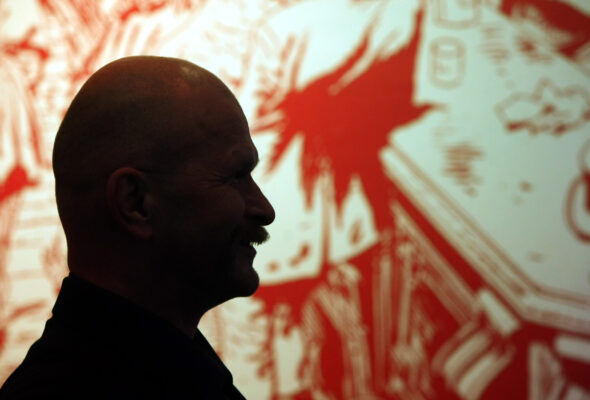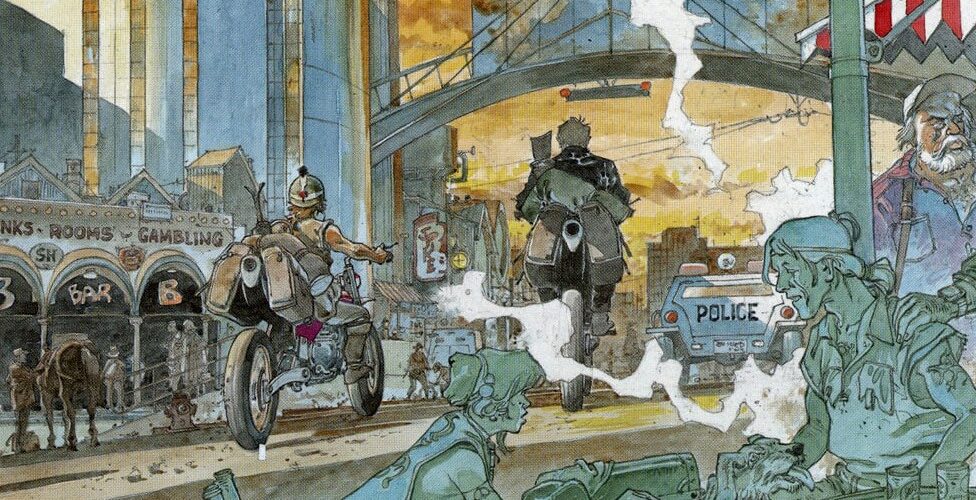
No one drew the apocalypse like Hermann
Hermann Huppen, or simply Hermann, could have spent his life in the safe job of an interior designer. Instead, he dared to draw comics and left an indelible mark on the art
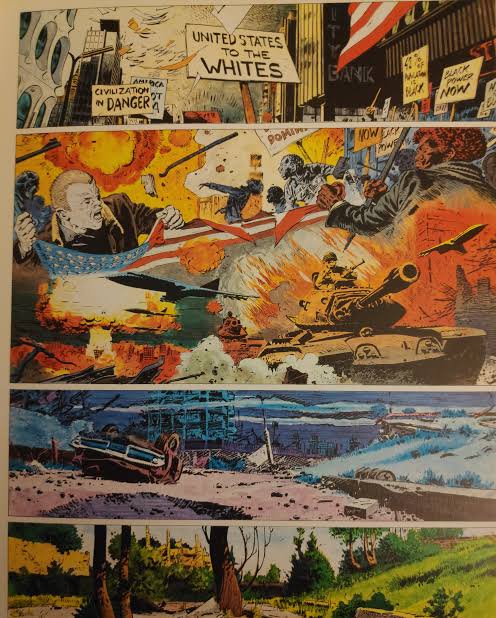
Anyone unfamiliar with the work of Hermann Huppen need only look at the first page of his most famous
comic, “Jeremiah” (shown in the upper left corner of this page), to grasp his genius. Just four strips, four images within the same frame, were enough for the great Hermann to depict, without words, the causes, escalation, and consequences of an American apocalypse. From that perfect page no fewer than 39 albums were born about the adventures of the title character and his companion Kurdy Malloy in a post-nuclear wasteland.
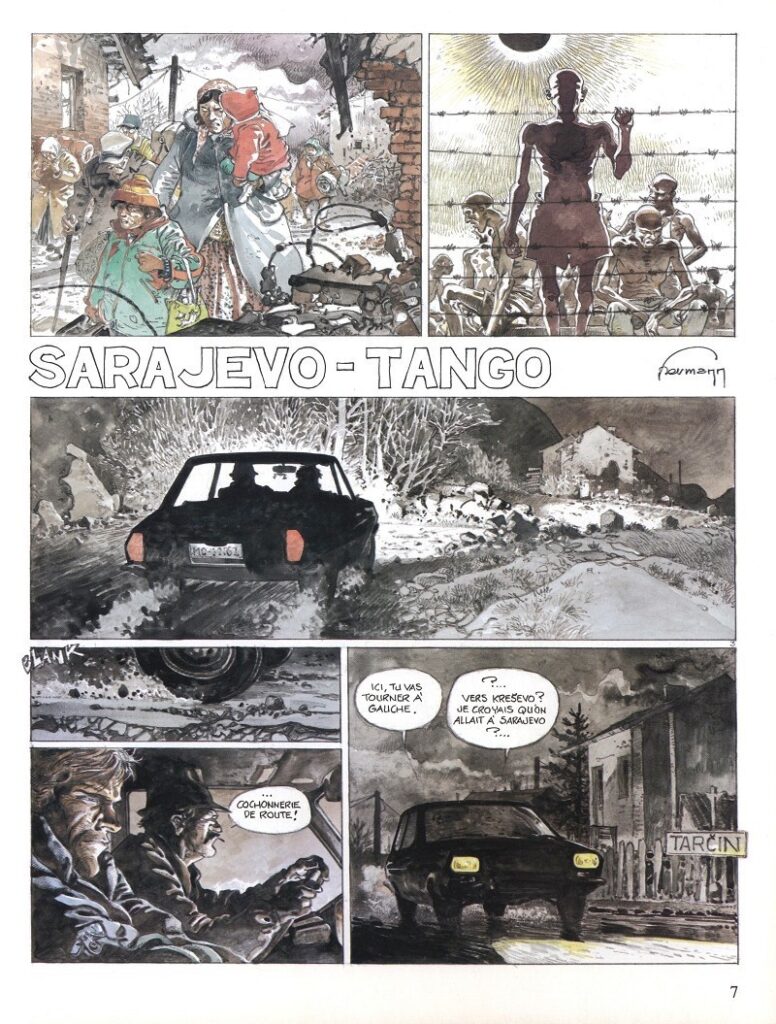
Likewise, anyone unfamiliar with Hermann Huppen’s oeuvre need only look at the opening pages of “Sarajevo Tango” (1995) to understand how deeply this great Belgian comics artist, writer, and creator understood the pain and suffering of war-torn Sarajevo. Inseparably bound by private and professional ties to the renowned Sarajevo comics publisher Ervin Rustemagić, founder of Strip Art Features (SAF), Hermann used pencil and brush to speak out loudly against the horrors of war at a time when the world remained silent.
The image of a wolf pulling from beneath a thick blanket of snow a blood-red flag with the four Cyrillic S’s, followed by a faithful redrawing of Ron Haviv’s harrowing wartime photograph from Bijeljina, showing a member of Arkan’s notorious Tigers kicking the body of a murdered woman, once again conveys, without words, the horror of senseless crimes.
That was Hermann: an artist who, with a fine line and silent drawing, could convey a range of emotions that words sometimes cannot express. He died this March, at the age of 87. To the world’s comics heritage, in addition to “Jeremiah”, he left thousands of pages of “Bernard Prince”, “Comanche”, “Jugurtha”, “The Towers of Bois-Maury”, and many other masterpieces. Generations of comics lovers in this region were fortunate, before the war, to devour the adventures of Hermann’s heroes in “Stripoteka”, “Gigant”, and above all in the Sarajevo magazine “Strip Art” run by his friend Rustemagić, where “Jeremiah” also had its premiere. After the war, his comics were published on the Croatian market by “Slobodna Dalmacija” in the short-lived but impressive magazine “ComicStrip”. Rustemagić and SAF then revived their business in Slovenia and also secured Hermann’s breakthrough on the American market
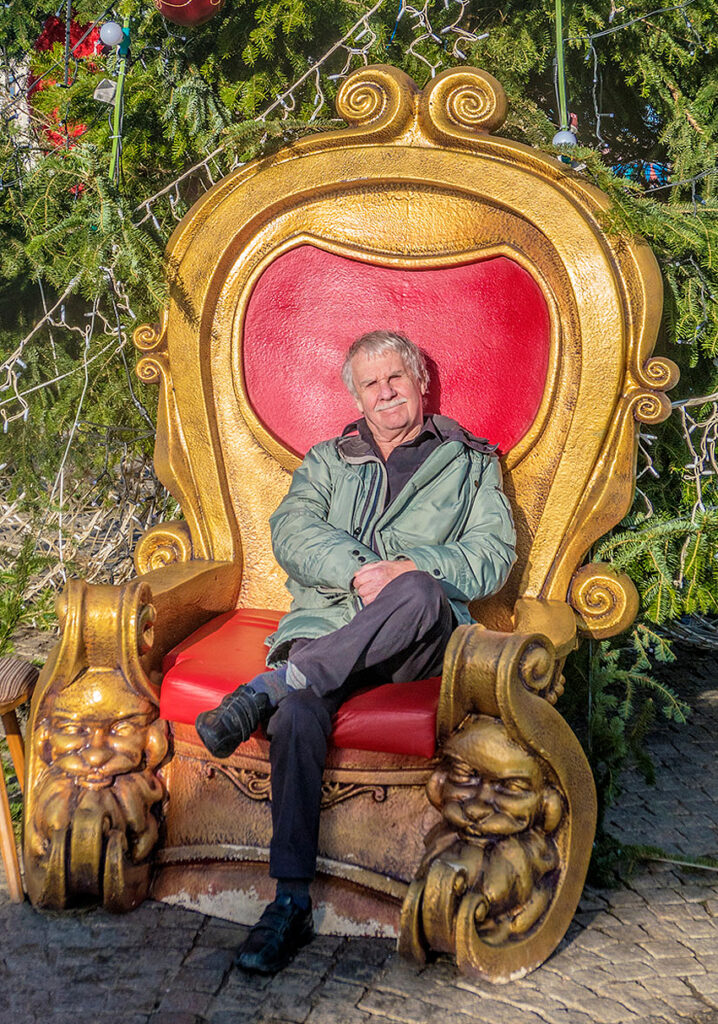
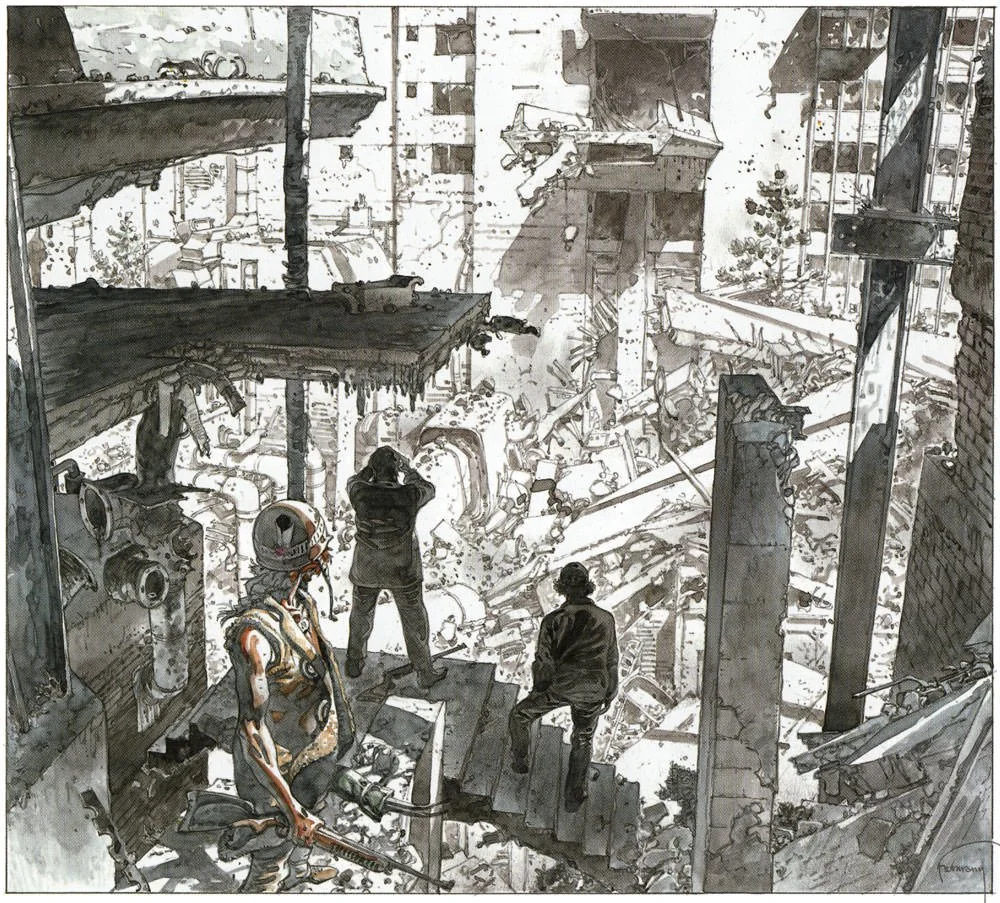
Hermann was a master of a realistic, raw style, and his stories, often dark and pessimistic, explored the depths of human nature under extreme circumstances, never shying away from violence and brutality, yet always leaving a glimmer of hope in humanity
He was born on 17 July 1938 in Bévercé, near Malmedy. Before stepping into the world of comics, he worked as an interior designer. His artistic path began relatively late, in 1964, when he published his first short story in the magazine “Spirou”. His exceptional talent was immediately recognized by the legendary writer Greg, who invited him into his studio and thus launched one of the most important careers in the history of the art of comics
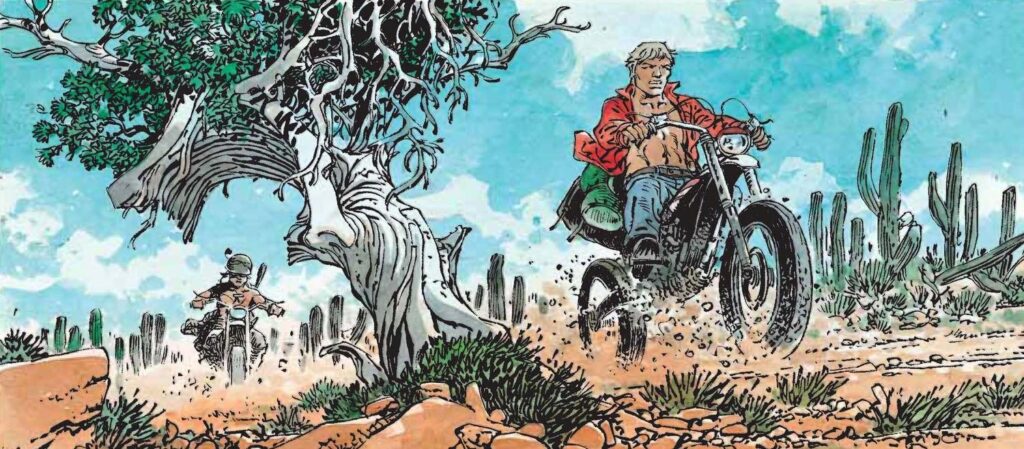
His first major success came in 1966 with the series “Bernard Prince”, an adventure story Hermann drew from a script by Greg for the cult magazine “Tintin”. The collaboration proved extraordinarily fruitful, and in 1969 the duo created their most famous joint work, the western series “Comanche”. With its realistic depiction
of the Wild West, dynamic framing, and uncompromising approach, “Comanche” became one of the cornerstones of the genre, standing alongside giants such as “Blueberry”. Although he first gained fame as an artist, Hermann’s creative strength came fully into its own when, in 1977, he began writing his own scripts. That was when he created his life’s work, “Jeremiah”. The story of “Jeremiah” and his cynical companion Kurdy Malloy wandering through a devastated America after a nuclear war became a global phenomenon. The popularity of Jeremiah even led to a little-known American television adaptation.
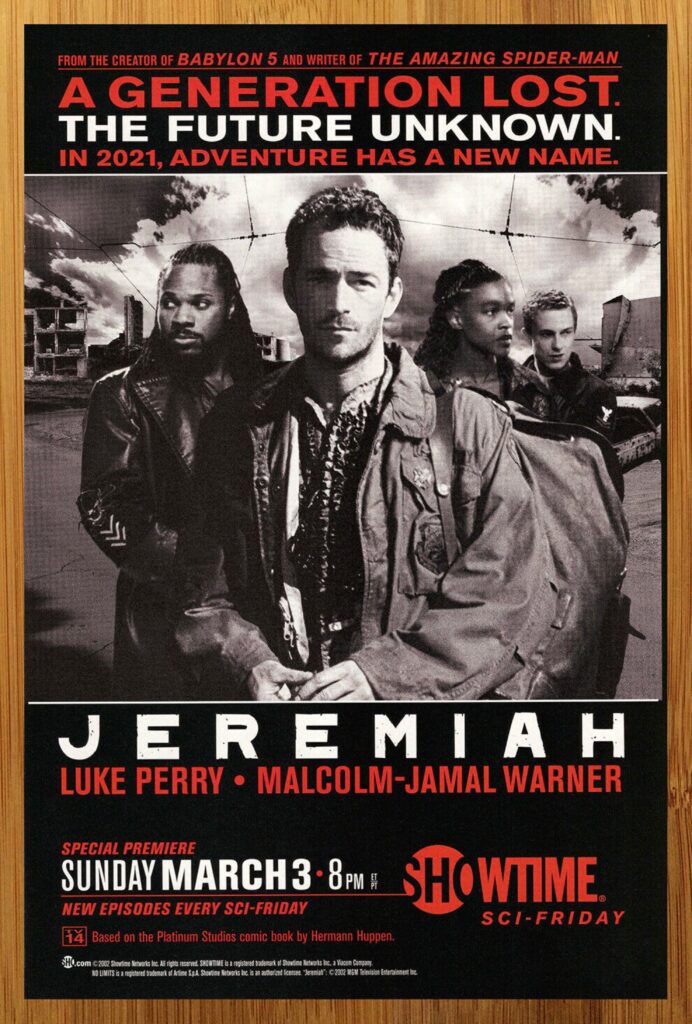
Luke Perry as Jeremiah in the eponymous series Jeremiah
In the later phase of his career, he worked almost exclusively with his son Yves, who wrote the scripts for the comics. Father and son had been working on the western series “Duke” since 2017. When he was asked in a 2010 interview for the German newspaper “Tagesspiegel” whether he was thinking about retirement, his answer was emphatic:
“Never! I’d rather die working than sit around twiddling my thumbs. And the advantage of being an illustrator is that it isn’t physically demanding. I’ll still be able to lift a pencil when I’m old and frail. So I’ll keep doing this right to the very end. I simply enjoy it far too much to stop,” Hermann said.
He also enjoyed coming to Croatia. On two occasions, in 2006 and 2008, he was a guest at the Makarska comics festival MaFest, which in those years was attended by many great figures of Croatian, European, and world comics.