The Ustaše swore to fight, then they fled
Boris Rašeta and Goran Gavranović reconstruct the escape of the Ustaša leadership and the birth of the new Yugoslavia in their book 'Eight Days in May'
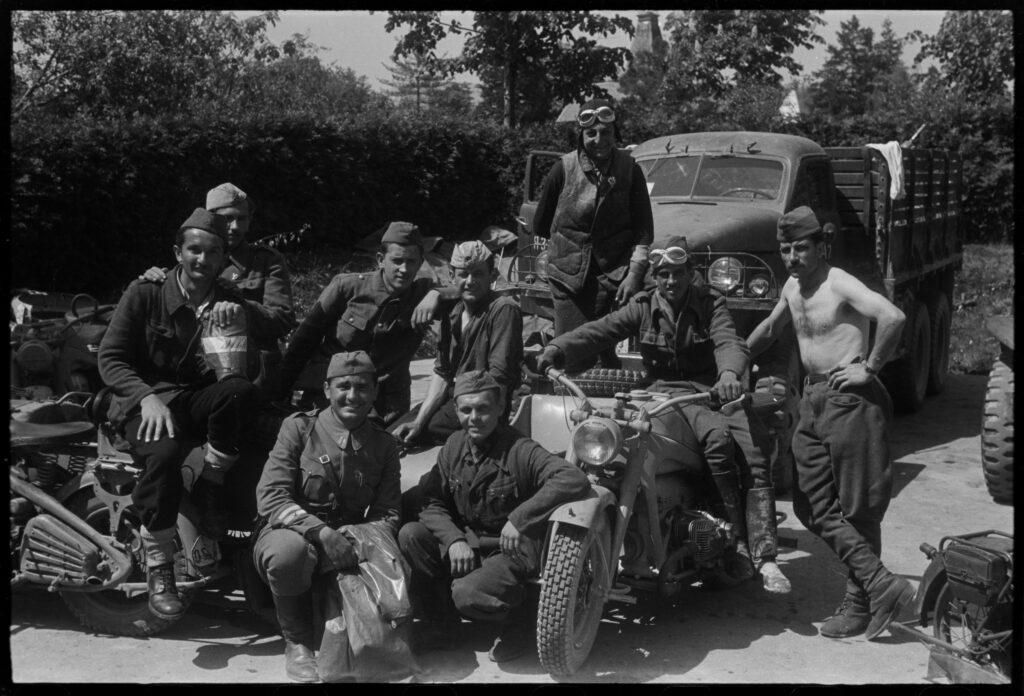
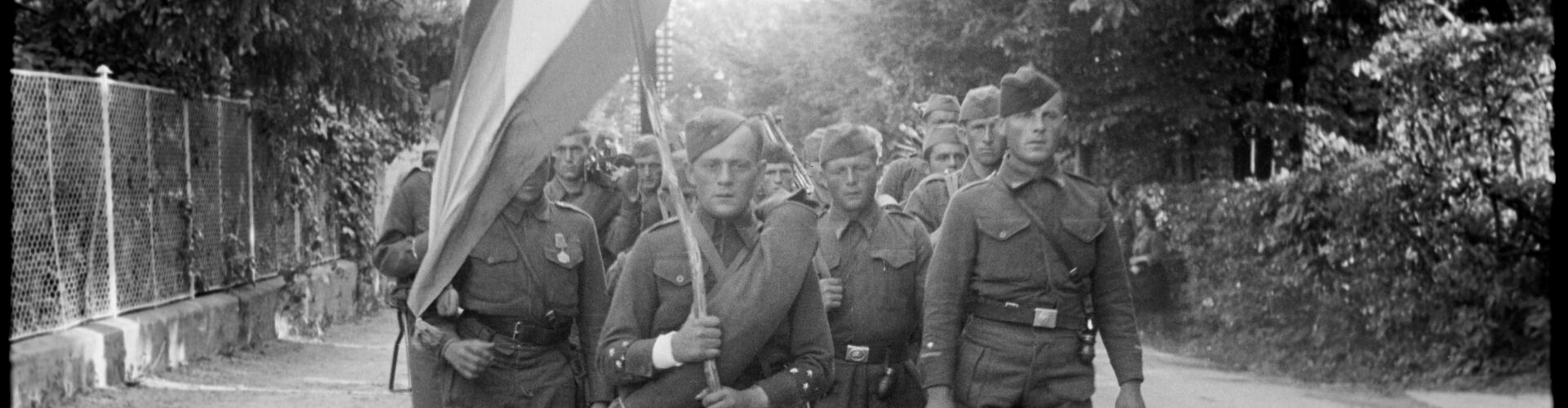
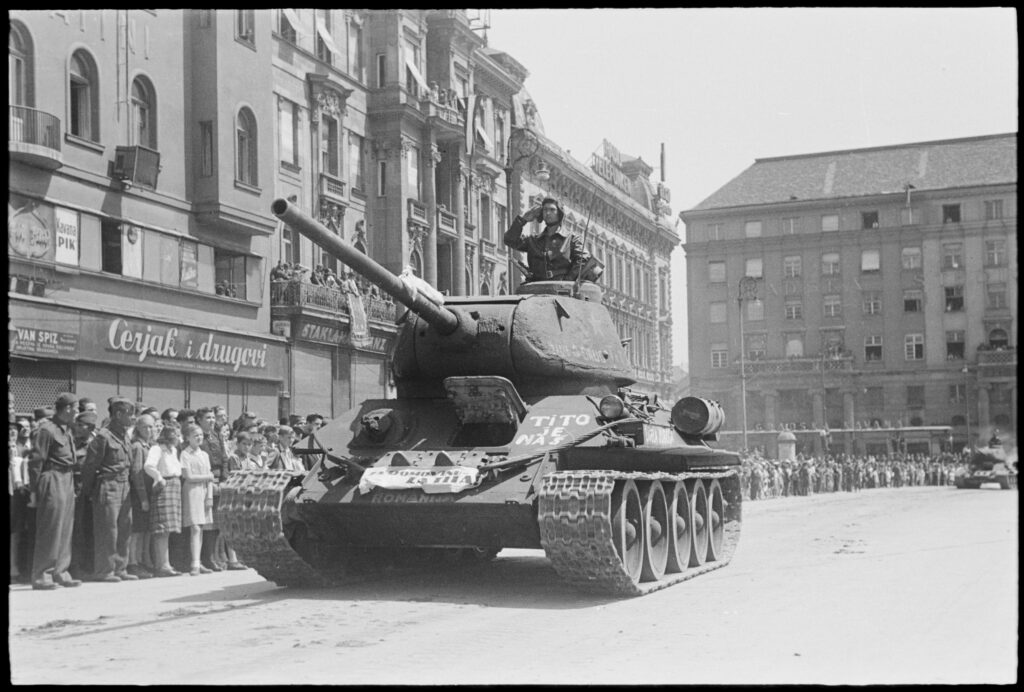
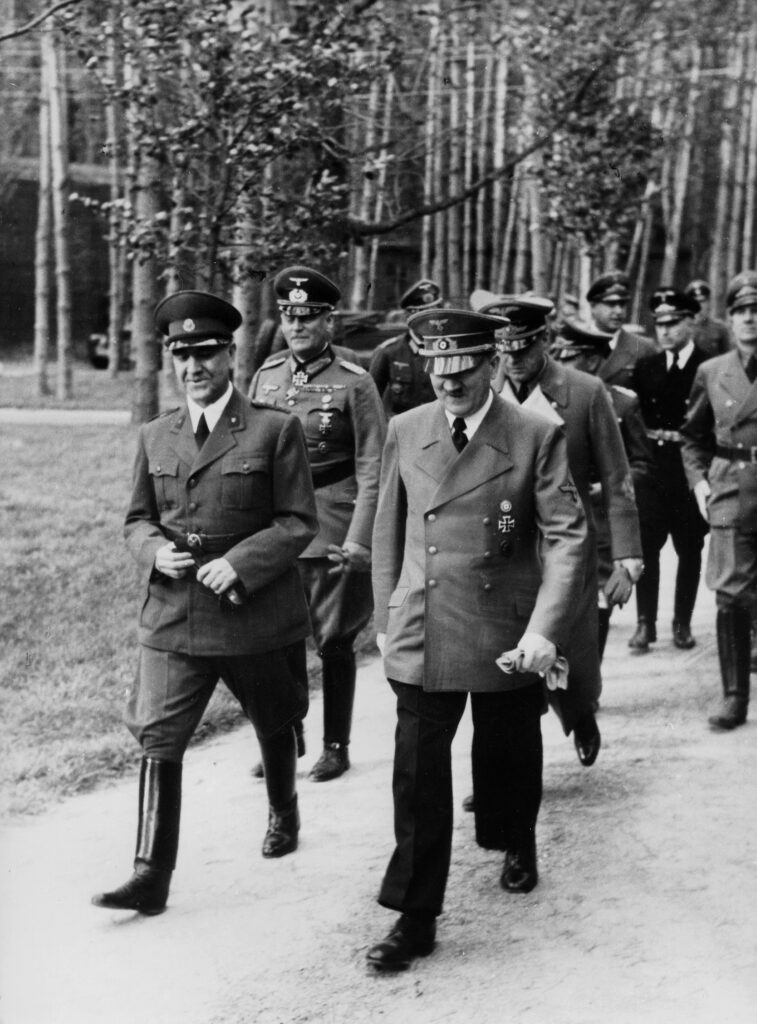
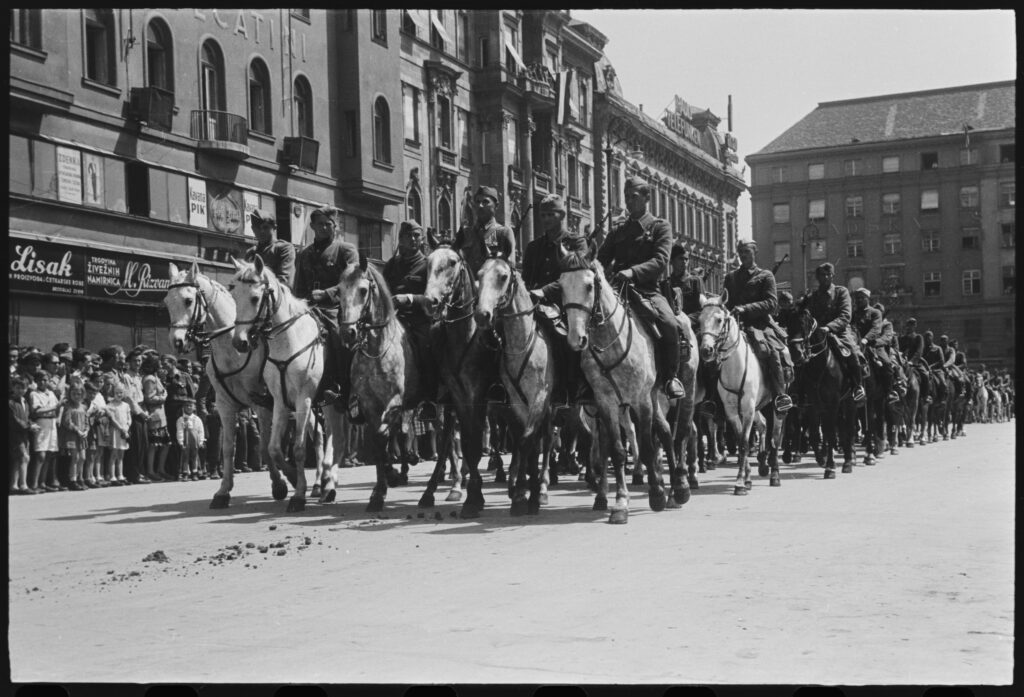
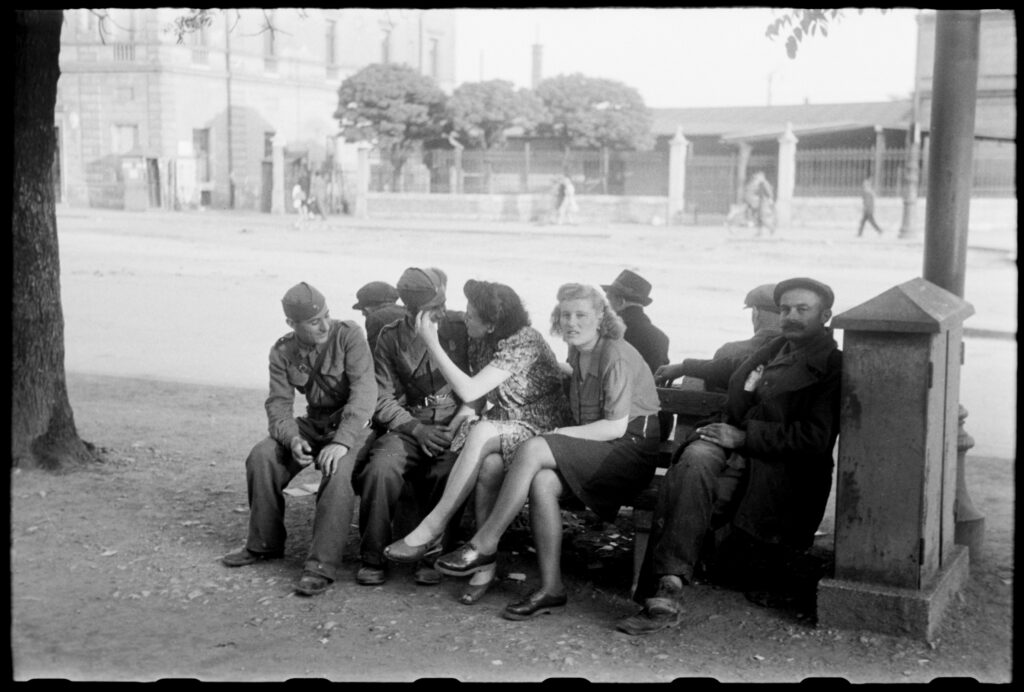
We illustrated the text with photographs by Tanjug photojournalist Branko Savić, who documented the Partisans’ entry into Zagreb in 1945.
It is the beginning of May, 1945. The political and military leadership of the Independent State of Croatia has gathered at the Main Ustaša Head quarters in Zagreb. Poglavnik Ante Pavelić imme diately takes the floor and ominously announces: “Gentlemen, the next eight days in May will prob ably be decisive for the survival of our homeland, our idea, and ourselves,” and then, in an even more dramatic tone, continues: “A difficult decision lies before us. Shall we abandon Zagreb and Croatia without a fight, or, like Nikola Šubić Zrinski at Sziget in 1566, heroically defend what we began to build in April 1941? Even if that means our death.”
Vjekoslav Maks Luburić is the first to enter the discussion. “Poglavnik, I do not know why we are even discussing this. I think that all of us present here, by taking the Ustaša oath, already decided in advance that, if need be, we are ready to die for the homeland.” Luburić’s words are met with enthusiasm. Minister Andrija Artuković, former deputy leader Mile Budak, former commander of the Black Legion and HOS general Rafael Boban, the Poglavnik’s close associate General Ante Moškov, as well as everyone else present in the hall, liter ally leap to their feet at the same moment, stretch their right arms into the air, and begin shouting, “Za dom – spremni!” (“For the homeland – ready.”) His face radiant, with a barely visible tear in his eye, Ante Pavelić appears prouder than ever in his life. “Then let it be so. We are going nowhere! We do not fear Tito’s partisans, no matter how many there are, because our Croatian people stand with us. Vjekoslav, deploy the Ustaše and the Home Guard around Zagreb. Include our Chetnik allies as well. There should be no problem with that, since Draža Mihailović himself recently offered me a joint struggle against the communists. I will speak with Ambassador Kasche. I am certain that, after con sulting Hitler, he too will endorse our decision and order the German, Circassian, and Cossack units to join us in the heroic battle that is coming.”
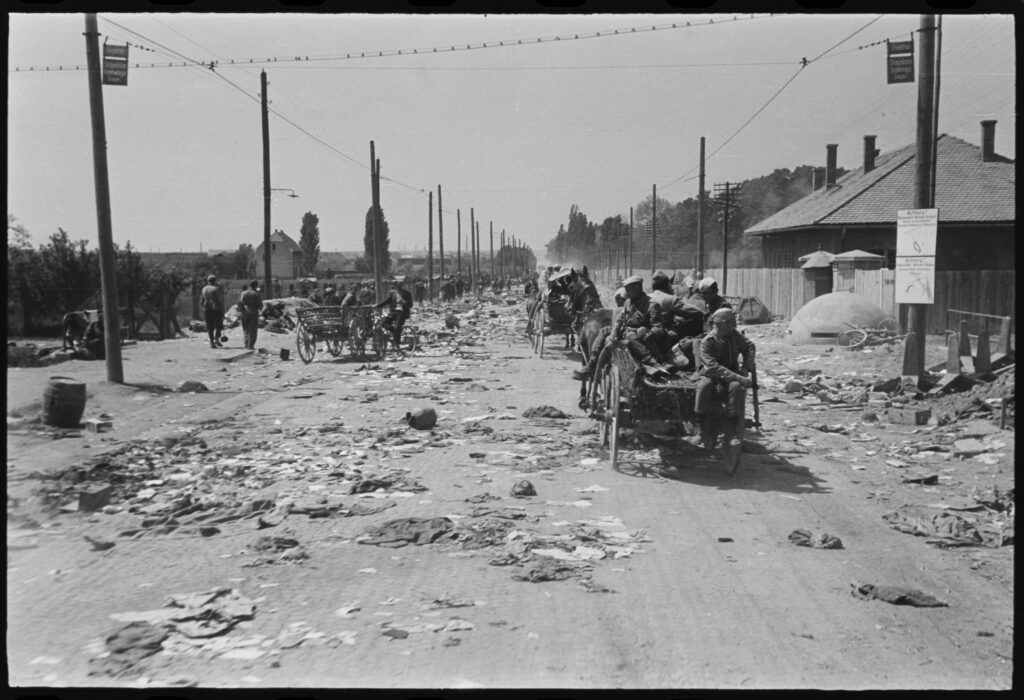
The episode described, supposedly taking place in May 1945, in fact never happened. On the contra ry, all sympathizers of Ante Pavelić and the other Ustaša officials ought to be fairly disappointed by the behavior of their idols. The only resolve the Ustaše showed in those days of May was for flight, plunder, and the destruction of Zagreb before abandoning it forever.
However, historical revision ism has gained such momentum in Croatia that, unfortunately, it is not at all difficult to imagine a story like this, or a similar one, appearing on some portal, in a book, or in a documentary film. Even the greater part of Croatian historiography has given up exposing lies and disinformation when it comes to events from the Second World War. Moreover, historians who otherwise deal with that period, through their silence, participate in rein forcing a revisionist narrative according to which the Ustaše were Croatian patriots and innocent victims, while the partisans were occupiers and bloodthirsty criminals. Of course, not all historians have given up the struggle against historical revi sionism, but these “last of the Mohicans” mostly share the same problem in presenting their views. All too often they are linguistically, stylistically, and “dramaturgically” ill-adapted, incomprehensible, and therefore uninteresting to the broader reading public.
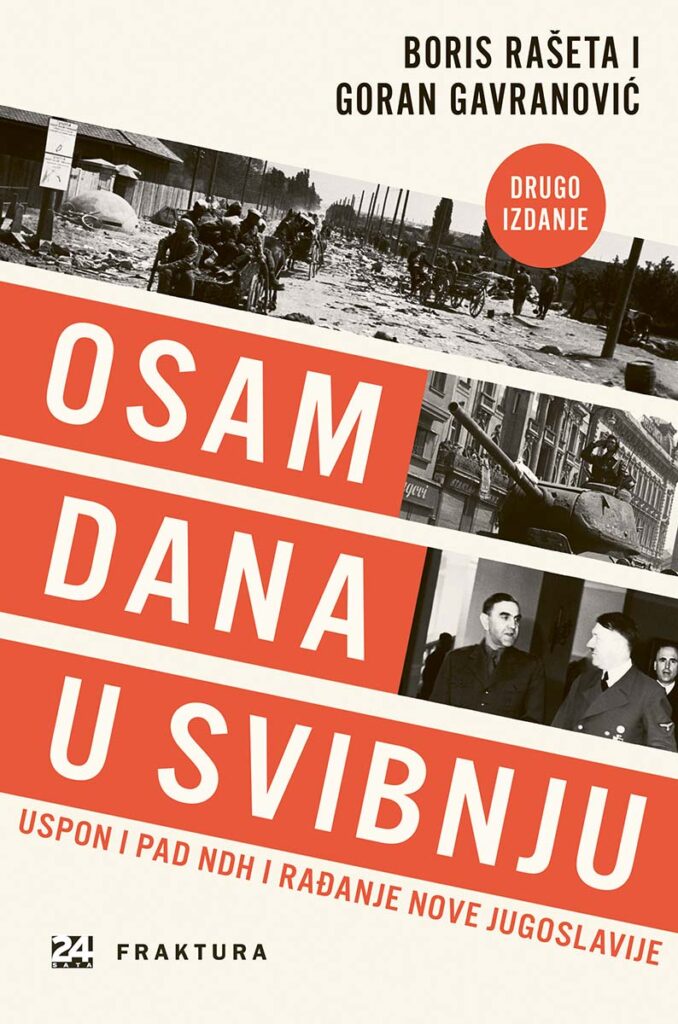
That is why the book by Boris Rašeta and Goran Gavranović, “Eight Days in May: The Rise and Fall of the NDH and the Birth of a New Yugoslavia”, feels like an oxymoron. Namely, it is an interesting history book. On the basis of numerous archival sources, newspaper articles, and memoirs of direct participants in the events, two prominent Croa tian journalists and publicists have succeeded in writing a book that is informative, intriguing, at mo ments entertaining, even witty, yet by no means superficial or trivial.
Rašeta and Gavranović are not his torians, but from the very first lines of the book they show that they very much understand how a good historical work should be written. Although the title suggests a very brief period, the authors are aware that understanding eight days in May (1945) requires knowledge of the events that preceded them. Some by months, some by years. Just as they considered it impor tant to acquaint readers with the causes, the authors also (correctly) judged that the story of the consequences of the decisions made by the participants during those eight May days had to be told as well. And yes, the main characters of this book are well-known historical figures such as Ante Pavelić, Maks Luburić, Josip Broz Tito, Koča Popović, and Ivan Šibl, that is, all those whose actions would prove fateful for millions of people. But what makes this book different, and for that very reason more interesting, are the “supporting characters” in those events. Whether it is the greatest Croatian writer, Mi roslav Krleža, who survived the war and the Ustaša regime hostile to him, and who now fears the peacetime regime of his communist comrades. Or Đuro Ku mičić, a completely unknown clerk of the NDH, who by a twist of fate will be assigned the task of formally handing over power in Zagreb on 8 May 1945 to the victors of the war. Among the secondary figures there is also the mistress of a high-rank ing politician, a Croatian officer who spent the war in different (opposing) armies, and a Catholic priest inclined toward the Ustaša movement and at the same time chaplain to the armed forces of the NDH. Many will certainly also find it interesting to read what a young partisan and communist was doing in those May days of 1945 – the same man who decades later would found the HDZ and become the first president of independent Croatia.
But let me return to the story from the beginning of this text. As I said, it surely sounds very appeal ing to historical revisionists and sympathizers of the Ustaša movement. Who knows what Croatian history would have looked like if Ante Pavelić and his associates had acted during those eight days of May 1945 as described there. But they did not. And how did they act, and why exactly in that way, and with what consequences? There is no easier or more enjoyable way to discover that than to read Rašeta and Gavranović’s book “Eight Days in May”.